

A clean healthcare facility plays a major role in patient safety, staff wellbeing, and daily operations. Hospitals deal with a constant flow of patients, visitors, and healthcare workers throughout the day. Because of this, cleaning requirements are much higher than in standard commercial buildings.
Choosing the right hospital cleaning provider is an important decision for healthcare administrators. The quality of cleaning services can directly affect infection control, regulatory compliance, and the overall environment within the facility.
Therefore, administrators must evaluate several factors before selecting a cleaning company.
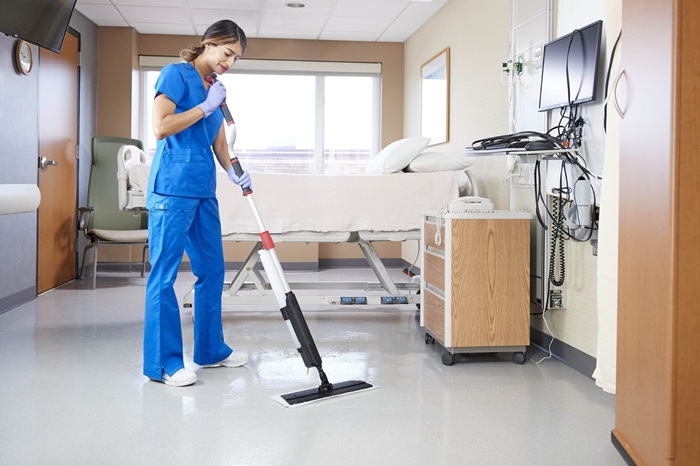
Factors to Consider When Selecting a Hospital Cleaning Provider
Experience in Healthcare Cleaning
One of the first things to consider is the provider’s experience in healthcare environments.
Cleaning a hospital is very different from cleaning offices, retail stores, or residential properties. Hospital cleaners must understand sanitation procedures, contamination risks, and cleaning protocols for different departments.
A company with experience in limpieza de hospitales will be familiar with patient rooms, operating areas, emergency departments, waiting rooms, laboratories, and other healthcare spaces.
As a result, they can perform their duties according to industry standards and healthcare requirements.
Staff Training and Qualifications
The quality of cleaning largely depends on the people performing the work.
For this reason, healthcare administrators should evaluate the training programs used by the cleaning provider. Staff members should receive proper instruction on infection prevention, chemical handling, waste disposal, and cleaning procedures.
It is also important to determine whether the company conducts ongoing training sessions to keep employees updated on current practices.
Well trained cleaning personnel can help reduce the risk of contamination within the facility.
Infection Control Procedures
Hospitals require strict infection control measures.
Therefore, administrators should review the provider’s cleaning methods and sanitation procedures. The company should have clear protocols for disinfecting high touch surfaces, patient care areas, and shared spaces.
They should also understand the difference between cleaning, sanitizing, and disinfecting.
By following proper infection control procedures, a cleaning provider can support a safer environment for patients and healthcare workers.
Compliance With Healthcare Regulations
Healthcare facilities must comply with various health and safety requirements.
Because of this, the cleaning provider should understand applicable regulations and industry guidelines. A company that regularly works with hospitals will generally have knowledge of the standards that apply to healthcare facilities.
Before making a decision, ask about compliance procedures and documentation practices.
This can help prevent issues related to inspections and audits.
Availability and Response Time
Hospitals operate around the clock.
Cleaning needs can arise at any time, including during nights, weekends, and holidays. Therefore, administrators should determine whether the cleaning provider can offer services outside normal business hours.
Emergency response capabilities are also important.
For example, unexpected spills, contamination incidents, or patient related situations may require immediate attention. A provider with fast response times can help maintain cleanliness and safety throughout the facility.
Cleaning Equipment and Products
The equipment and products used by a cleaning company can affect the quality of results.
Administrators should ask about the cleaning tools, disinfectants, and technologies used by the provider. The products should be suitable for healthcare environments and effective against common pathogens.
It is also helpful to understand how the company maintains and replaces its equipment.
Proper tools can contribute to more consistent cleaning outcomes.
Conclusion
Selecting a hospital cleaning provider requires careful consideration of several factors. Experience, staff training, infection control procedures, regulatory compliance, response times, equipment quality, and reputation all play important roles.
By reviewing these areas thoroughly, healthcare administrators can make an informed decision and choose a provider capable of supporting a clean, safe, and professional healthcare environment.