

Neglected cleaning in an industrial facility doesn’t announce itself until something goes wrong, a slip on an oily floor, a blocked emergency exit during an actual emergency, a citation that shows up months after the conditions that caused it. By the time the risk becomes visible, it’s usually already cost something.
What OSHA Actually Requires, and Why It’s Not Optional
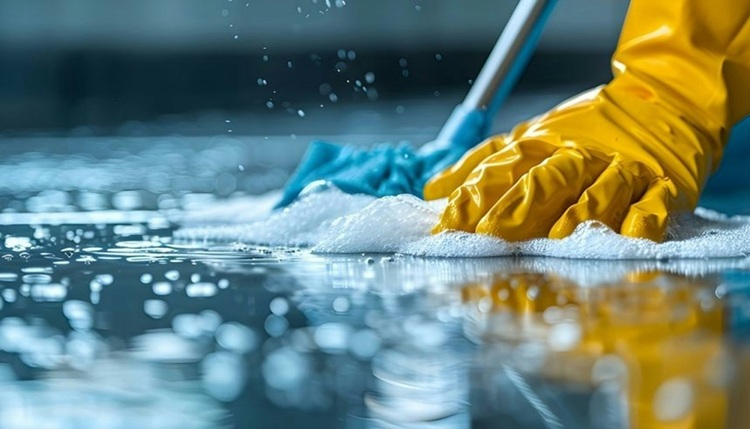
This isn’t a matter of best practice or preference. Employers are expected to maintain a tidy, hygienic work environment at all times: floors should be kept as dry as feasible, hazardous spills or materials need to be cleaned up immediately, and trash or waste must be removed promptly. These aren’t internal guidelines a facility can adapt to its own comfort level. They are compliance requirements that OSHA can enforce, and failing to meet basic cleanliness standards is treated as a safety hazard in its own right, separate from whatever specific incident it eventually causes.
A facility that’s serious about meeting this standard often ends up looking at outside support rather than relying on internal staff stretched across other priorities. Reviewing what limpieza industrial Valencia providers cover under industrial-grade contracts is a reasonable way to benchmark whether an internal program is actually meeting OSHA’s baseline or just appears to.
The Financial Cost Is Real and Has Gotten Worse
The penalty structure isn’t symbolic. Serious violations now carry a maximum penalty of $16,131, while willful infringements or repeated violations can cost a business up to $161,323 per violation. These figures apply per violation, meaning a facility with multiple unaddressed housekeeping issues during a single inspection can accumulate fines well beyond any single line item.
Where the Actual Injuries Come From
The mechanism connecting poor cleaning to physical injury is straightforward and well documented across OSHA’s own hazard identification guidance. Hazards can be introduced over time as workstations and processes change, equipment becomes worn, maintenance is neglected, or housekeeping practices decline, meaning a facility doesn’t need a single catastrophic failure for risk to build. It accumulates gradually, through exactly the kind of small, unaddressed conditions a consistent cleaning schedule is designed to catch.
Slips, trips, and falls remain one of the most consistently cited categories tied directly to housekeeping failures, oil and grease left on walking surfaces, debris in aisles, and blocked or obstructed emergency routes. None of these require unusual circumstances to cause serious injury. They require ordinary foot traffic meeting a condition that should have been addressed before a worker encountered it.
Why This Compounds Instead of Staying Contained
A single missed cleaning task rarely causes an incident on its own. The risk comes from accumulation, several small lapses overlapping in the same area, at the same time, without anyone catching the pattern before it becomes a hazard. This is exactly why OSHA’s standard treats housekeeping as an ongoing condition to maintain, not a periodic task to schedule and forget between visits.
What This Actually Means for Facility Management
Treating cleaning as a compliance checkbox rather than an active safety program is the gap that turns a routine inspection into a costly one. The standard doesn’t ask for perfection. It asks for floors that stay dry, spills that get addressed immediately rather than on a schedule, and waste that doesn’t accumulate, conditions that are entirely preventable with consistent attention, not expensive specialized intervention.