

Signature stamps are widely used in offices, clinics, educational institutions, financial organizations, and government departments. They help save time by allowing authorized individuals to apply their signatures quickly on documents that require repetitive approval or verification.
However, buying a signature stamp is not as simple as choosing a design and placing an order. Different industries have different requirements regarding security, compliance, stamp size, and usage frequency. Understanding these requirements can help you select the right signature stamp for your work.
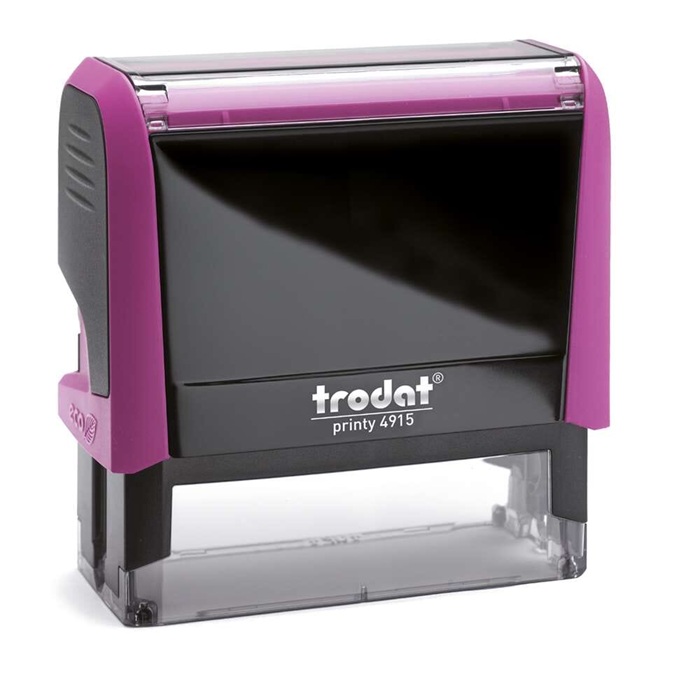
What Industry Specific Requirements Matter When Buying Signature Stamps?
Security Requirements
Security is one of the most important factors in certain industries.
For example, healthcare providers, financial institutions, and legal firms often deal with sensitive documents. In these environments, unauthorized use of a signature stamp can create serious issues.
Many organizations prefer self inking signature stamps that can be stored securely when not in use. Some companies also maintain strict access policies so that only authorized personnel can use the stamp.
If security is a major concern, choose a stamp that can be easily controlled and stored in a secure location.
Stamp Size Requirements
The size of the signature stamp plays a major role in document handling.
A stamp that is too large may not fit properly on forms, invoices, or approval sheets. A stamp that is too small may make the signature difficult to read.
Many businesses prefer a Medium Signature Stamp because it offers a balance between visibility and space efficiency. It fits comfortably on most office documents while still producing a clear signature impression.
Before purchasing, review the types of documents that will be stamped regularly and select the appropriate size.
Document Volume Considerations
Different industries process different amounts of paperwork.
For example, schools, banks, insurance companies, and government offices often handle hundreds of documents every day. In such situations, durability becomes an important requirement.
A stamp that is used frequently should be capable of producing thousands of impressions without performance issues. Self inking models are often preferred because they provide faster operation and reduce manual effort.
If your workplace processes large volumes of paperwork, choose a stamp that is built for regular daily use.
Compliance and Regulatory Factors
Certain industries operate under strict regulations.
Medical professionals, accountants, and legal offices may have specific rules regarding document authentication and approval procedures. Some organizations may limit where and how signature stamps can be used.
Before purchasing a stamp, review your organization’s policies and any applicable regulations. This helps prevent problems related to document acceptance or compliance requirements.
It is always better to confirm internal guidelines before placing an order.
Ink Quality Requirements
The quality of the ink can affect document readability and storage.
Industries that maintain records for extended periods often require clear and consistent impressions. Poor quality ink may fade over time or produce uneven marks.
Archival documents, contracts, and official records usually benefit from high quality ink that remains legible for years.
Selecting the right ink can improve document appearance and reduce the need for repeated stamping.
Customization Needs
Some industries require more than a signature alone.
For example, doctors may need their name, designation, or registration number included with the signature. Business professionals may require company details alongside their stamped signature.
Understanding these requirements beforehand can help you order a stamp that meets your operational needs from the start.
This also avoids the cost and inconvenience of replacing a stamp later.
Conclusion
Industry requirements play an important role in selecting the right signature stamp. Factors such as security, stamp size, document volume, compliance requirements, ink quality, and customization needs should all be considered before making a purchase.
A carefully selected signature stamp can improve efficiency, support daily operations, and provide consistent results across different types of documents. By evaluating your industry’s specific requirements, you can choose a stamp that performs reliably and meets your organization’s expectations.