

Hydraulic hoses are connected to hydraulic systems using different types of fittings. Two common options are crimp fittings and reusable hydraulic fittings. Both fittings can connect hoses to hydraulic equipment, but their installation methods and applications are different.
In certain instances, you may have to choose between a crimp fitting and a reusable fitting. Because of this, selecting the right type can affect the performance, safety, and maintenance of the hydraulic system.
Therefore, we are going to discuss when you should use crimp fittings instead of reusable hydraulic fittings and find out which option is suitable for different applications.
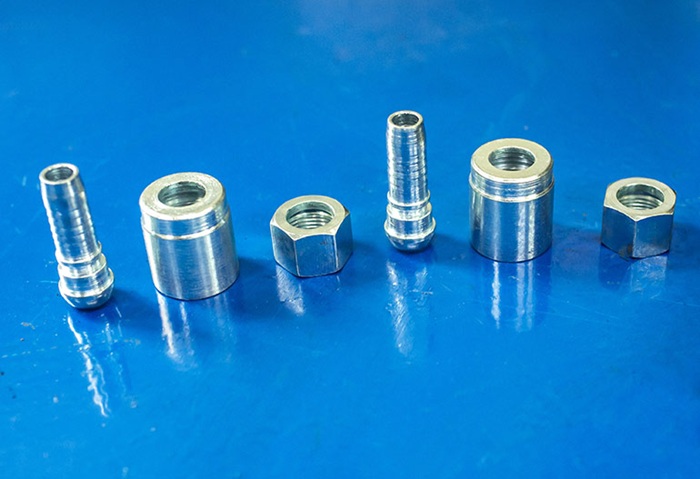
Crimp Fittings vs Reusable Hydraulic Fittings
Crimp fittings are permanently attached to the hydraulic hose using a crimping machine. The fitting is compressed around the hose to create a secure connection.
Reusable hydraulic fittings can be installed without a crimping machine. They are usually assembled using basic tools and can be removed and used again with a suitable hose.
Both types have their own advantages. The right choice depends on the application, pressure requirements, installation conditions, and maintenance needs.
When Should You Use Crimp Fittings?
There are several situations where crimp fittings can be a better choice than reusable hydraulic fittings.
High Pressure Applications
If your hydraulic system operates under high pressure, crimp fittings can be a suitable option. The fitting is compressed onto the hose and provides a firm connection.
High pressure systems require a connection that can handle the operating conditions without the hose separating from the fitting.
Therefore, crimp fittings are commonly considered for applications where pressure is an important factor.
Frequent Hydraulic Equipment Use
Hydraulic machines that operate regularly can benefit from crimp fittings. Since the fitting is permanently attached to the hose, there is less need to frequently remove or reinstall the connection.
This can be useful for construction equipment, industrial machinery, agricultural equipment, and other hydraulic systems that operate for long periods.
If the hose needs to remain connected for a long time, a crimp fitting can be a practical choice.
Applications Requiring a Secure Connection
A hydraulic hose connection must remain firmly attached during operation. A poorly assembled fitting can result in leakage or hose separation.
Crimp fittings are installed using a specific crimping process. The fitting is compressed to the required size according to the hose and fitting specifications.
Therefore, they can provide a consistent connection when the correct equipment and specifications are used.
When Are Reusable Hydraulic Fittings Better?
Reusable hydraulic fittings can be useful in situations where the hose needs to be replaced or repaired frequently.
For example, if you are working in a location where a crimping machine is not available, reusable fittings can be easier to install.
They can also be useful for maintenance work where the hydraulic hose needs to be removed regularly.
However, the fitting must be compatible with the hose and hydraulic system. You must also follow the correct installation procedure.
Installation Equipment
Crimp fittings require a crimping machine for installation. This equipment compresses the fitting onto the hose according to the required specifications.
Reusable fittings generally require basic hand tools instead of a dedicated crimping machine.
Therefore, if you are working in a workshop with proper hydraulic hose assembly equipment, crimp fittings can be convenient.
On the other hand, reusable fittings can be more practical for field repairs where carrying a crimping machine is difficult.
Hose Replacement Requirements
If the hydraulic hose is expected to be replaced frequently, reusable fittings can provide an advantage.
You can remove the fitting from the old hose and install it onto another suitable hose, provided the fitting is still in usable condition and the application allows reuse.
With crimp fittings, the fitting is generally replaced along with the hose because it is permanently attached during assembly.
Therefore, consider the expected maintenance requirements before selecting the fitting type.
Cost Considerations
The cost of the fitting is another factor to consider. Crimp fittings may require additional equipment for installation, especially if you are assembling hoses yourself.
Reusable fittings can reduce the need for crimping equipment and may be useful for smaller repair jobs.
However, the total cost also depends on the number of hoses, operating pressure, maintenance requirements, and frequency of replacement.
For businesses purchasing hydraulic components from suppliers, including China hydraulic fittings manufacturers, comparing the fitting type with the application requirements can help in selecting a suitable option.
Conclusion
Crimp fittings and reusable hydraulic fittings both have their own applications. Crimp fittings are suitable when you need a permanent and secure hose connection, particularly in systems that operate under demanding conditions.
Reusable hydraulic fittings can be useful when easy installation and hose replacement are important.
Therefore, you should choose the fitting according to your hydraulic system and maintenance requirements. By selecting the right fitting type, you can maintain proper hose connections and keep the hydraulic equipment working efficiently.